Sign in
If you do not have an account, click Create AccountCreate Account
Some items are no longer available. Your cart has been updated.
This discount code cannot be used in conjunction with other promotional or discounted offer.
Your cart is empty.
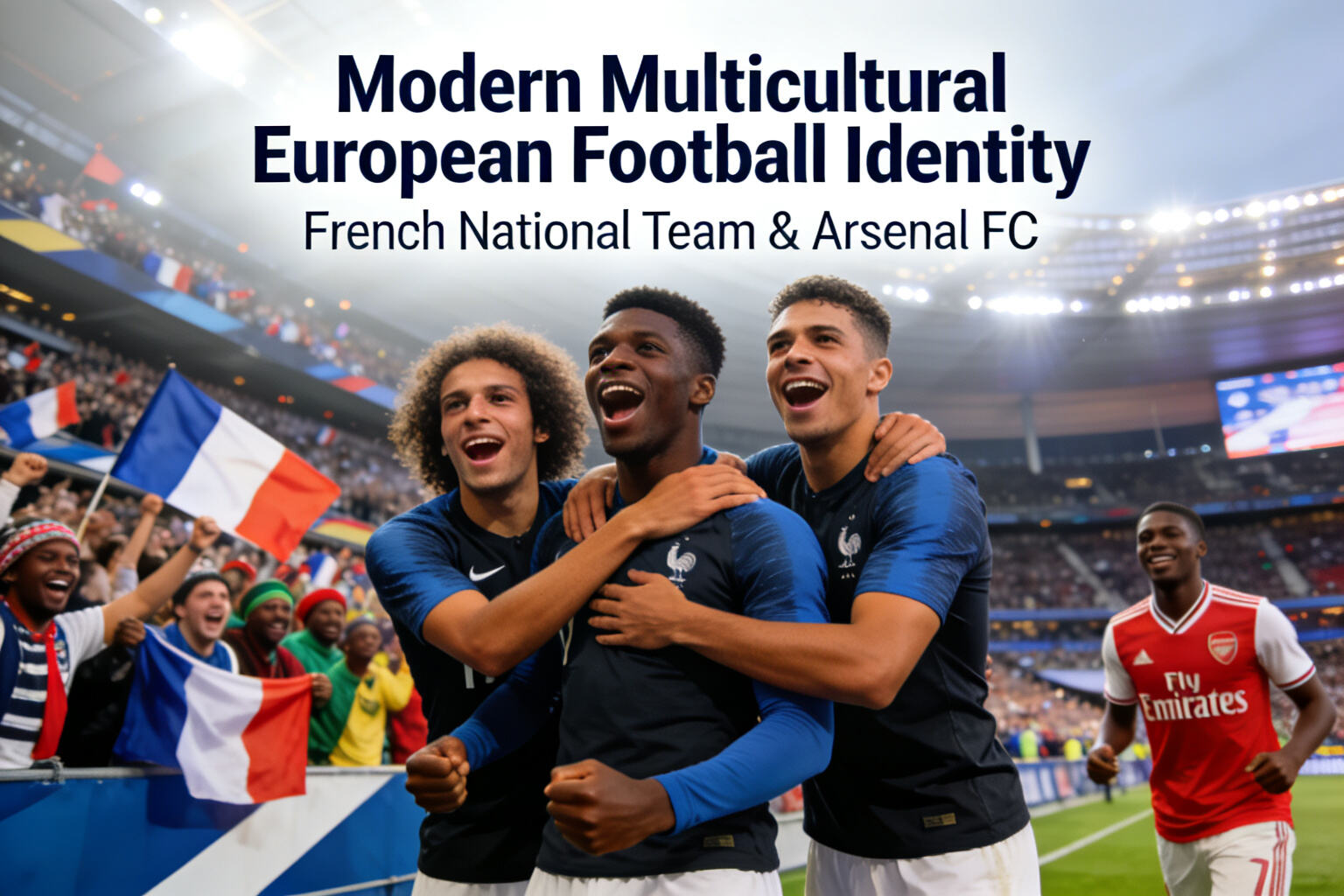
Q: Which national teams best represent the story of modern, diverse Europe through football?
While many teams feature players from varied backgrounds, a few stand out as powerful symbols of a new, multicultural European identity. The French national team jersey is perhaps the most iconic. Wearing the blue of Les Bleus is not just about supporting France; it's about celebrating a legacy built by generations of players with roots across Africa and the Caribbean. From Zidane to Mbappé, the shirt embodies skill, unity, and the successful fusion of cultures on the world's biggest stage.
Similarly, clubs like Arsenal FC in London have long been pioneers of this global identity. An Arsenal away kit has historically been a canvas for celebrating diversity, representing a squad and fanbase where countless heritages converge under one North London banner. These teams show that the modern European football shirt is more than a national symbol; it's a badge of a progressive, collective identity.
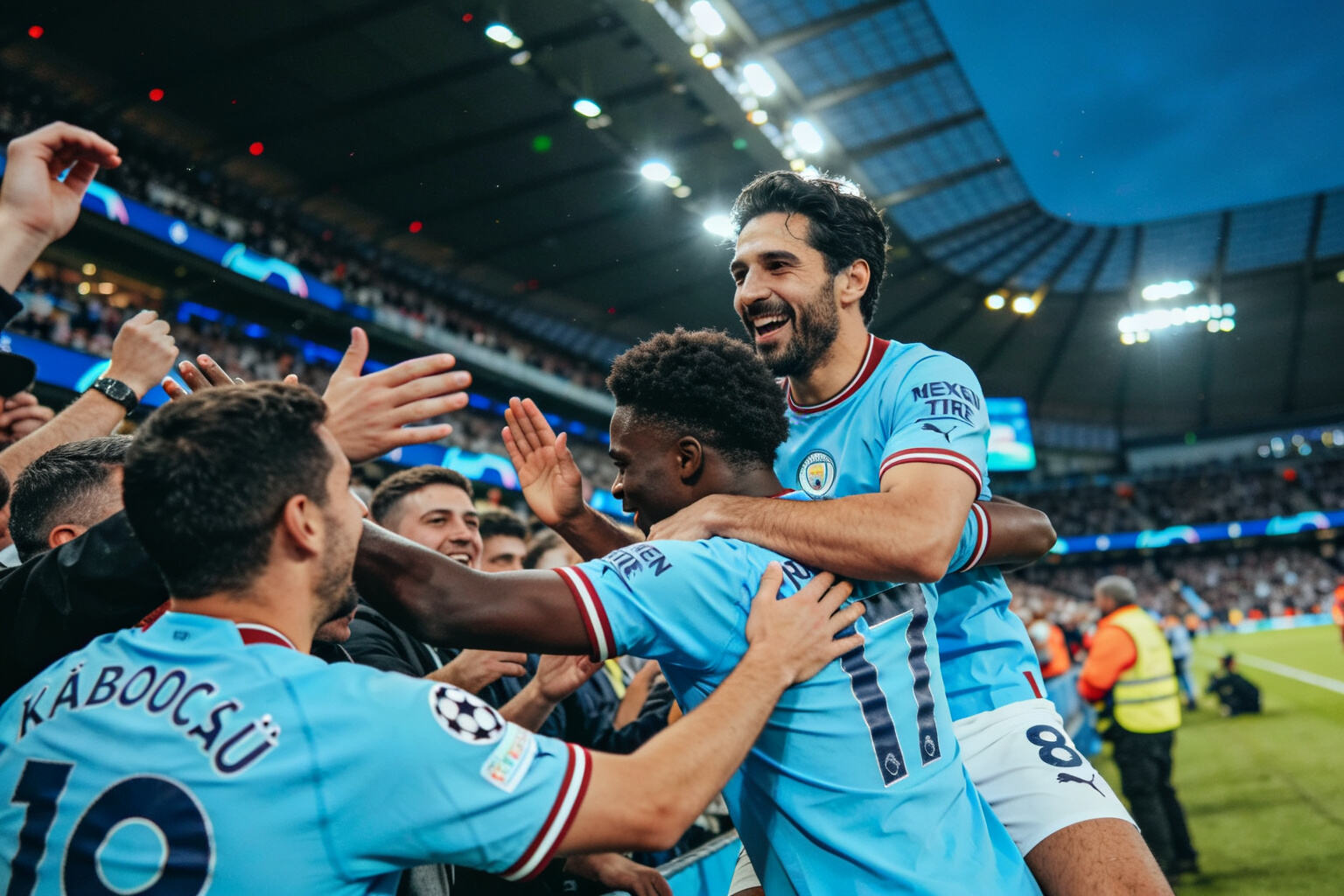
Q: Why do fans connect so deeply with jerseys worn by immigrant-origin players?
The connection is deeply personal and aspirational. For millions of fans with immigrant backgrounds themselves, seeing a star like Bukayo Saka (England & Arsenal) or İlkay Gündoğan (Germany & Barcelona) excel is profoundly powerful. Their success and visibility are a form of representation. Wearing their personalized football jersey with a name and number is a way to claim pride in a complex, dual heritage.
It's a statement that says, "My story is part of this team's story." This transforms the jersey from mere fan gear into a personal emblem of belonging and ambition. During the Euro 2024 or World Cup, this sentiment peaks as these players become heroes for entire nations, making their shirts some of the most sought-after football merch.
Q: How does this trend influence the design and marketing of football kits today?
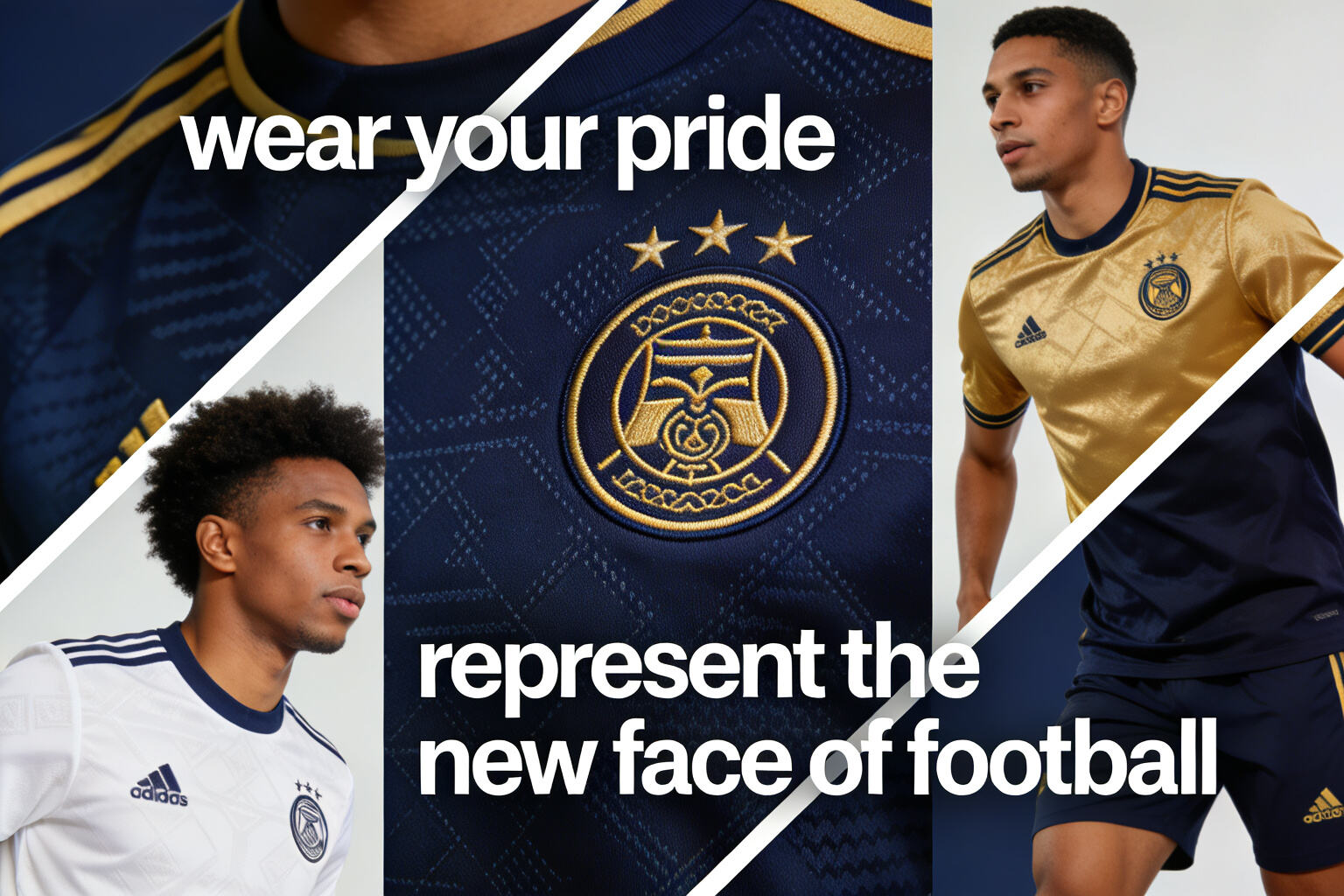
Progressive football kit design is increasingly mindful of this narrative. While not overt, design elements often subtly nod to a team's diverse heart. This might be through color palettes that reflect wider influences, collaborative designs with artists from the community, or marketing campaigns that tell authentic player backstories.
The focus for savvy retailers is not just on selling a French national team jersey, but on highlighting the inspiring stories woven into its fabric. Marketing language shifts from "official gear" to "wear your pride," "celebrate every goal that unites us," or "represent the new face of football." The product becomes tied to a broader cultural movement, making it relevant beyond match days.
Comment